ABOUT
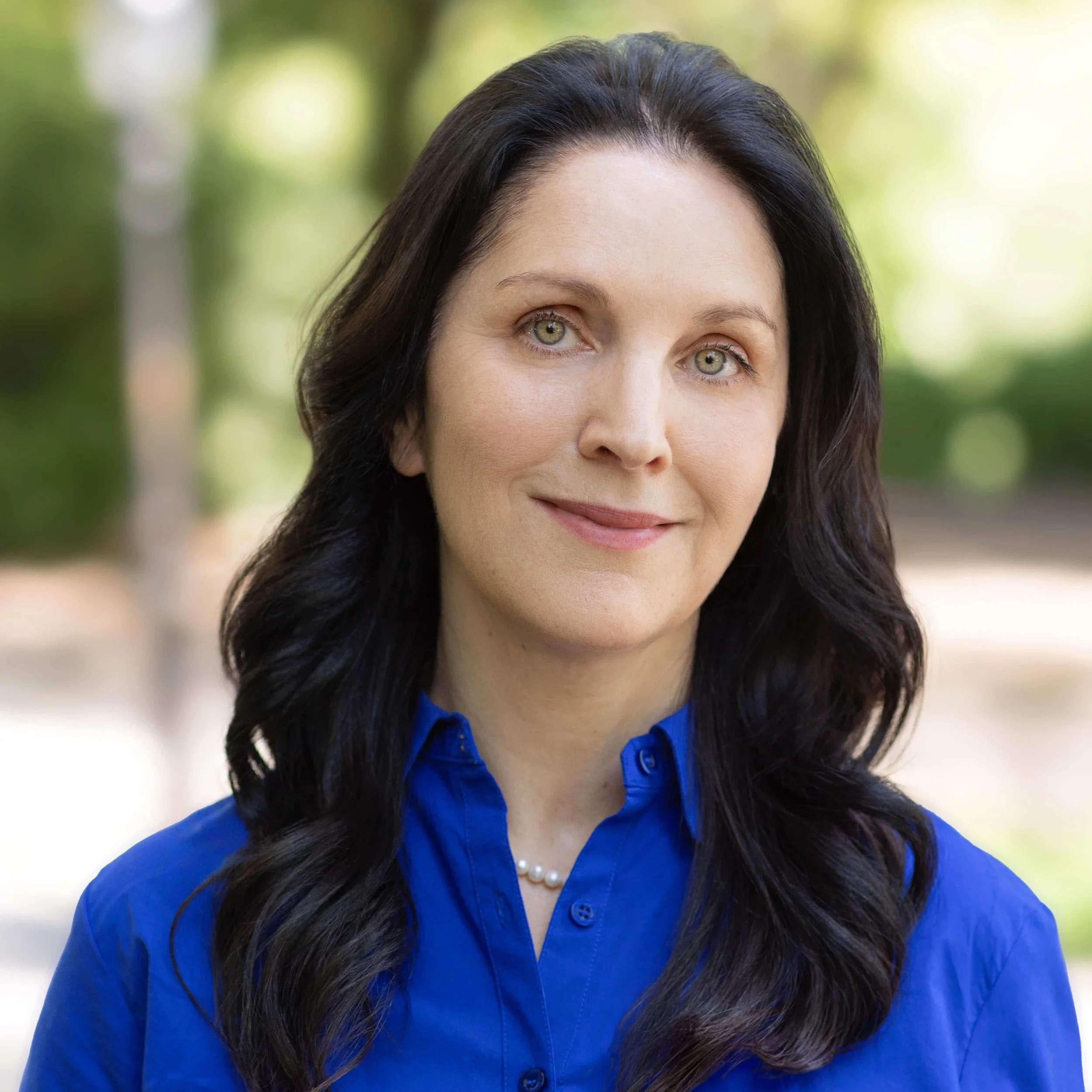
Yephat Kivetz,
Ph.D.
I trained in clinical psychology and in social and organizational psychology, which gives me more than one way of understanding how someone came to be the way they are. Whatever brings you here, most of what we look at is in the present: where something old is being lived again, and what it would take for life to fit you better.
Couples
Families
Groups
Individuals
How I work
Safety and Trust
Trust isn’t something I take for granted at the start, and it isn’t settled once and for all. It gets built over time. I listen without judgment. There’s no pressure to open anything before you want to. Some things get carried alone for good reason, usually because of what happened the last time they weren’t. What changes over time isn’t only how much you trust me. It’s how much you trust yourself.
Before You Decide
You don’t need to arrive organized, or have the words for it, or know exactly what you need. Most people don’t. Asking for help can feel like leaning on someone rather than managing, though looking at something can be harder than looking away. And if you’re wondering whether it will hurt, or stir up more than you can hold, that’s worth asking. We look at it together rather than around it.
How We Start
The relationship is a large part of what makes therapy work, so the early sessions are also a chance to get to know how I work, how it feels to talk to me, and whether this is a good fit. Early on that means getting a sense of what’s brought you now, what you’ve already tried, and what you’d want to be different.
Training
I start from who you are rather than from a method. What I draw on depends on what we’re working with, and it changes over time. My training is the background; what’s in front of it is your own history, and the family, culture and circumstances you’re living inside. I’d rather hear how you’d tell it than assume I already know.
The Work
Much of it is about patterns that repeat: a habit, a way of reading what someone meant, a reaction that made sense once. Some of this goes on without your noticing, and has more say than you’d choose. We look at it as it happens, in what you think and feel, and sometimes in what your body registers before you do.
Groups
Alongside individual work, I lead bereavement groups, where people meet others carrying the same kind of loss. Being among people who already understand makes it easier to speak, and to be understood without explaining. Over time the group becomes a community, and belonging to one is part of how people live with it.
What I Hope For
That what happened becomes a chapter rather than the whole story: still there, still mattering, but no longer deciding things. And that there’s room alongside it: for choosing differently, for parts of you that have been out of reach, and for the compassion you’d offer anyone else, turned toward yourself.

What shattered still holds light
Experience
Private practice, Upper East Side, New York — since 2014
EDUCATION
2011
Respecialization in Clinical Psychology, Adelphi University, Derner Institute
2006
Ph.D. in Psychology, New York University — McCracken Fellowship
2003
M.A. in Psychology, New York University
2000
M.Sc. in Organizational Behavior, magna cum laude, Tel Aviv University
Clinical Training
2009–2014
New York Psychoanalytic Institute and Society — Postdoctoral Fellow and Clinical Psychology Intern
2008–2009
Mount Sinai, Adult Inpatient
2007–2009
Institute for Psychoanalytic Training and Research
2007–2008
Center for Psychological Services, Adelphi University
Ready to start?
Get in touch and we’ll find a time
Not sure yet?
Start with a free 15-minute call